Introduction:
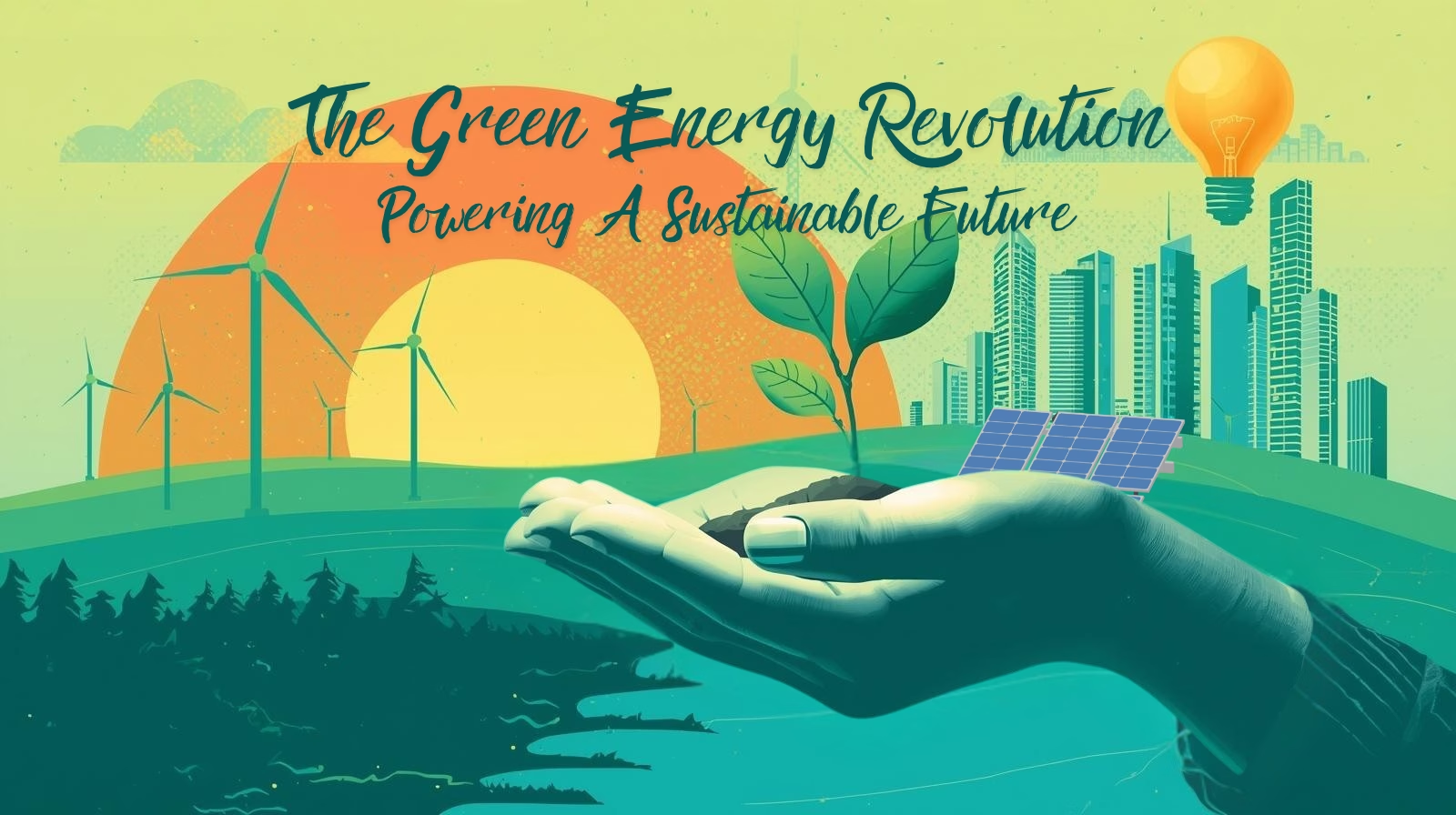
In today’s rapidly developing world, energy demand plays a crucial role in every aspect of human life – providing electricity to households, fueling industries, and driving the global economy. This increasing demand for energy is also posing challenges, including environmental degradation, climate change, and the depletion of limited fossil fuel resources. To address these issues, the green energy revolution is gaining momentum worldwide, a term that encompasses renewable, clean, and environmentally friendly energy sources.
Green energy is no longer a futuristic ideal – it is quickly becoming the backbone of a sustainable future. In this blog, we will discuss what green energy is, its different types, its benefits and challenges, and how it will positively impact our future.
Table of Contents
What is Green Energy?
Energy produced from natural resources is referred to as green energy, which is renewable and has minimal environmental impact. In contrast to energy production from fossil fuels, such as coal, natural gas, and oil, which emit greenhouse gases and pollutants, green energy sources are clean and sustainable.
The main characteristics of green energy are:
Renewable:
Energy sources replenish themselves because they are natural resources such as sunlight, water, and wind.
Low carbon footprint:
Produces little or no greenhouse gas emissions.
Sustainable:
Provides long-term energy solutions without depleting resources.
The terms “green energy” and “renewable energy” are sometimes used interchangeably; however, there is a subtle difference in their meanings. All green energy is renewable, but not all renewable energy is green. Let’s say a large hydroelectric dam, which is renewable but not green because it disrupts local ecosystems and fish migration patterns. True green energy prioritises renewables with minimal environmental impact.
Green Energy Landscape:
1. Solar Energy: Harnessing the Sun’s Abundance
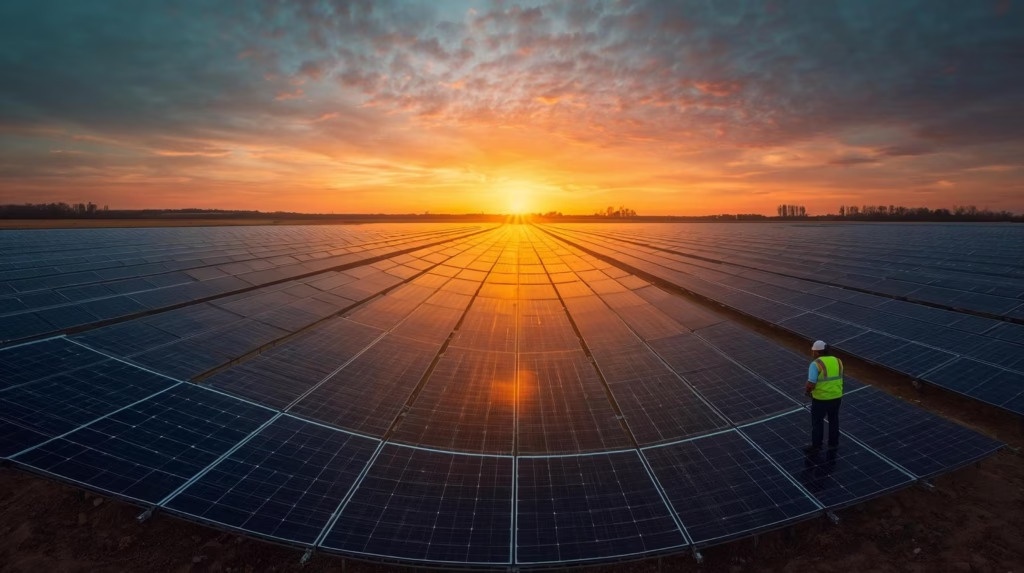
Solar energy has emerged as one of the fastest-growing green energy sources worldwide. It converts sunlight directly into electricity through photovoltaic panels, while solar thermal systems harness the sun’s heat for various applications. The technology is becoming increasingly efficient, widely accepted, and affordable, with the cost of solar panels having fallen by more than 80% in the past decade. From rooftop solar panels to large-scale solar farms, solar energy has completely transformed the way people think about energy production.
2. Wind Energy: Harnessing the Power of Nature
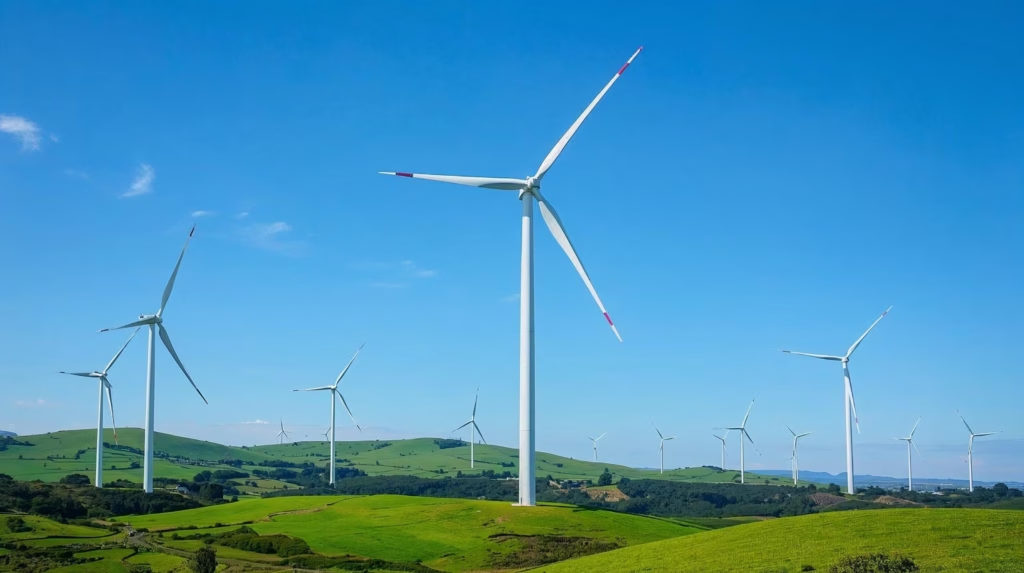
Giant wind turbines dotting vast landscapes around the world convert kinetic energy from wind into electricity, representing humanity’s ancient relationship with wind energy, adapted for modern needs. Onshore and offshore wind farms are increasingly producing clean electricity. Offshore farms are particularly promising due to the consistent and stronger winds. These giant turbines are marvels of engineering, each capable of generating several megawatts of power.
3. Geothermal Energy: Earth’s Hidden Treasure
A vast energy resource beneath our feet, geothermal energy harnesses the heat from the Earth’s interior to generate electricity or heat directly. However, it requires suitable geographical and geological conditions (most effective in areas with significant tectonic activity, such as Iceland, the Philippines, and parts of the United States).
A major advantage of geothermal energy is its reliability. Unlike solar or wind power, geothermal energy provides a constant power source, regardless of the weather. Its carbon footprint is minimal, making it an environmentally friendly alternative to fossil fuels.
4. Hydropower:
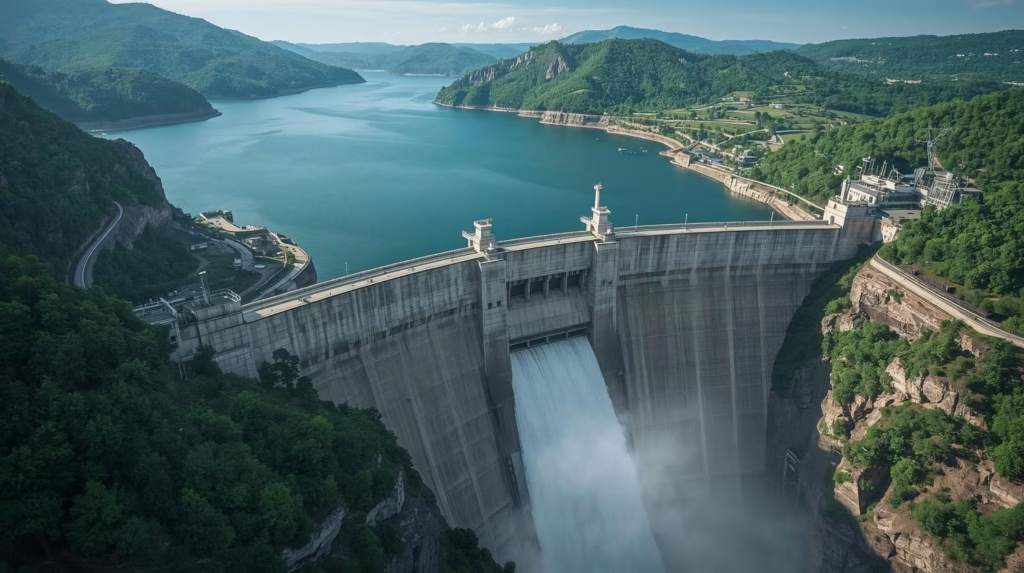
Hydropower, also known as hydroelectric power, is a green energy source that harnesses the kinetic energy of water to generate electricity and is one of the oldest and most widely used forms of green energy in the world. In this process, water is stored in a dam or reservoir and then released through a turbine, and as the water flows, it turns the blades of the turbine, which converts the kinetic energy of the water into mechanical energy, which is then converted into electricity through a generator.
Hydropower offers several benefits, such as generating energy without emitting greenhouse gases, and it also helps in energy storage and regulating electricity supply through pumped-storage systems. In addition, hydroelectric projects contribute to irrigation, water supply management, and flood control.
However, it is also important to note that large hydropower projects can have significant social and environmental impacts, including alterations to river ecosystems and the displacement of communities residing along the river. Therefore, small hydropower projects should be promoted as a more sustainable option.
Benefits of Green Energy:
Green energy offers more benefits than just environmental protection. It is a clean, sustainable alternative to meeting the world’s growing energy needs, while also promoting economic growth and social well-being. The key advantages of adopting green energy are as follows:
1. Environmental Protection:
The most important advantage of green energy is that it has minimal environmental impact. Unlike fossil fuels, green energy sources such as solar, wind, or hydroelectric power produce little or no greenhouse gases. This plays a crucial role in preserving natural ecosystems, combating global warming, and mitigating air pollution.
2. Economic Development and Job Creation:
Green energy is a key driver of economic growth. It creates numerous jobs globally in various sectors such as installation, research, manufacturing, and maintenance. Investing in green technologies creates new business opportunities and also encourages innovation.
3. Sustainability:
The main components of green energy production are natural resources—such as sunlight, wind, and water. These natural resources are readily available and can be replenished continuously. This will ensure an uninterrupted energy supply for future generations, which is not possible with rapidly depleting fossil fuels.
4. Energy Security and Independence:
The primary components of green energy, including water, wind, and sunlight, are present in all countries worldwide. Therefore, by utilizing local renewable resources, countries can reduce their dependence on fuel imported from other nations. This enhances national energy security and keeps fuel prices stable in the long term.
5. Cost-Efficiency Overtime:
The initial installation cost of green energy production is high, but the long-term operating and maintenance costs are comparatively low. This makes green energy production profitable in the long run. Furthermore, technological advancements have significantly reduced the prices of solar panels and wind turbines, making green energy gradually more affordable.
Challenges Involved:
Despite the various advantages of green energy, it faces several challenges that slow down its widespread adoption. Some of the main challenges are discussed below:
1. High Initial Capital Costs:
Generating green energy, whether from wind, solar, or hydro sources, requires significant initial investment in infrastructure. For example, hydropower requires dams and power plants, solar energy requires solar panels, and wind energy requires turbines, all of which are expensive. This high initial cost is a major barrier for small businesses, individuals, and developing countries, despite the long-term savings.
2. Variable Energy Supply:
Renewable sources, such as solar and wind, are entirely dependent on natural conditions. Cloudy and rainy days, and night-time, reduce solar energy production, while fluctuations in wind speed cause variations in wind power generation.
3. Geographical Limitations:
Some green energy sources are location-specific. Hydropower requires sufficient water flow, wind power requires areas with high wind speeds, and geothermal energy is only viable in geologically active regions.
4. Grid Infrastructure Limitations:
Most existing electricity grids were built for centralized power generation from fossil fuels. Integrating decentralized and variable green energy sources requires costly grid upgrades and smart grid technologies.
5. Energy Storage Limitations:
Storing excess energy generated from renewable sources has always been a major challenge. Advanced batteries are expensive, have limited capacity, and require rare materials for their production, which affects their scalability and sustainability.
Green Energy and The Future:
The future of energy depends significantly on innovation and sustainability. Emerging technologies such as smart grids, advanced battery storage, and AI-driven energy management are expected to bring about transformative changes in this sector.
Furthermore, increasing consumer awareness of environmentally friendly solutions is encouraging businesses to adopt green energy. Electric vehicles, rooftop solar panels, and energy-efficient appliances have become readily available to environmentally conscious consumers, making their lives easier while also being environmentally friendly.
The path ahead is challenging, but the momentum for progress is strong. Green energy, as an alternative to fossil fuels, represents a broader vision of balancing human progress with environmental sustainability.
Conclusion:
At the heart of our environmentally friendly and sustainable future lies green energy. In a world facing challenges such as climate change, ever-increasing energy demands, and the rapid depletion of fossil fuels, the use of green energy is no longer a matter of choice but an absolute necessity.
The path to adopting green energy is not smooth; it is fraught with various challenges, such as technological limitations and high initial costs. However, these obstacles are not insurmountable. Technological advancements, improved energy storage systems, and government policies (such as PM-Surya Ghar and Muft Bijli Yojna) are continually helping to overcome these problems.
Moreover, the use of green energy plays a significant role in economic prosperity and social well-being. It creates employment opportunities, reduces dependence on imported fuels, and improves public health by lowering pollution levels.
The responsibility for adopting green energy rests not only with individuals but also with governments and industries. A combined effort of policy support, public awareness, private investment, and responsible consumption will accelerate our transition towards a greener future.
In conclusion, it can be said that the adoption of green energy is a long-term solution to the world’s energy and environmental challenges. By embracing green energy today, we will protect natural resources, safeguard the planet, and provide our future generations with a sustainable and prosperous future.